

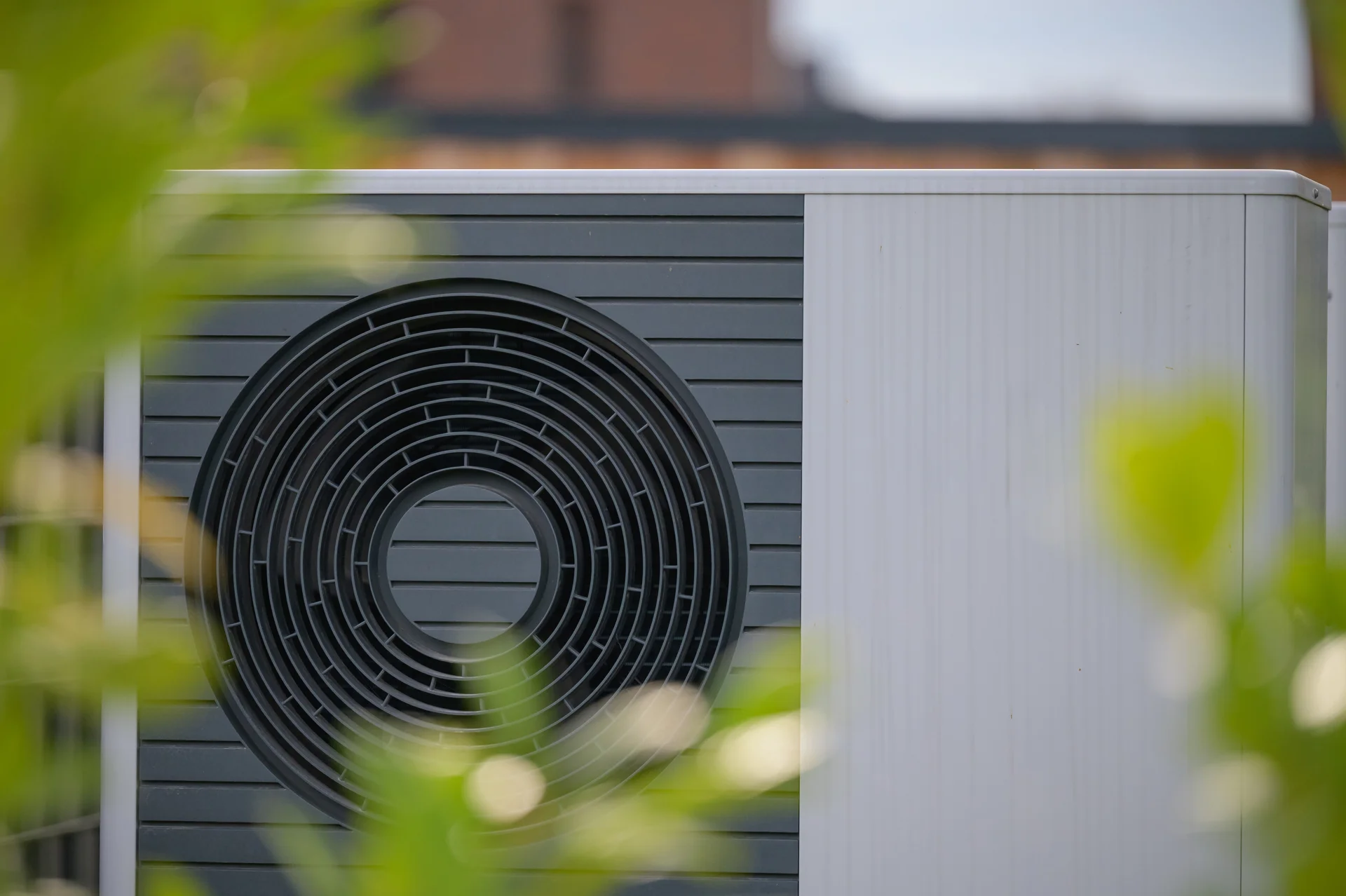
When summer temperatures soar across Northern Virginia, keeping your home cool and comfortable becomes a top priority. As homeowners evaluate their cooling options, many wonder about the difference between a traditional central air conditioner and a modern heat pump. While these two systems look almost identical from the outside and use the same scientific principles to cool your living space, their capabilities diverge significantly as the seasons change.
Understanding how each system operates helps you make an informed investment that protects your home comfort and your monthly budget for years to come.
How Both Systems Keep You Cool
To understand what sets these systems apart, it helps to first look at what they have in common. Both central air conditioners and heat pumps rely on specialized refrigerant to absorb heat from inside your home and release it outdoors.
During a humid July afternoon, both units function as effective cooling systems by performing the exact same steps:
Heat Absorption: Pulling warm air from your living spaces over cold evaporator coils.
Moisture Control: Drawing excess humidity out of the air to make the indoor climate feel crisper.
Air Distribution: Sending the refreshed, chilled air back through your ductwork.
From a pure cooling standpoint, an appropriately sized system of either type will deliver the exact same level of relief and energy efficiency.
The Reversing Valve Advantage
The defining difference lies in a single, highly sophisticated component found only inside a heat pump: the reversing valve. While a standard air conditioner is a one-way street designed solely to pump heat out of your house, a heat pump can completely reverse this cycle.
When the autumn chill arrives in the Washington, DC, metro area, a heat pump reverses its direction. Instead of exhausting heat outside, it extracts ambient heat from the outdoor air—even in freezing temperatures—and transfers that warmth directly into your home. Essentially, it functions as a high-efficiency heater and air conditioner in one cohesive unit.
Choosing the Right Fit for Your Home
Deciding which technology makes the most sense for your property depends largely on your current heating setup and long-term energy goals.
Standard Air Conditioner: If your home already relies on a powerful, reliable gas furnace to handle our freezing winter nights, a traditional AC is often the most straightforward and cost-effective pairing for summer relief.
Heat Pump System: If you are looking to transition away from fossil fuels, supplement an older boiler system, or upgrade to a versatile system that manages your climate year-round, a heat pump is an exceptionally efficient choice.
Because heat pumps move heat rather than generate it through combustion, they offer remarkable seasonal efficiency that can significantly reduce your carbon footprint and stabilize your winter utility bills.
Ready to Upgrade Your Home Comfort?
At Richards Heating & Air Conditioning Co., Inc., we have spent over six decades helping our neighbors navigate these exact home comfort decisions. We take the time to evaluate your existing layout, ductwork, and personal budget to ensure you get a tailored solution rather than a one-size-fits-all sales pitch. Whether you need a quick repair, seasonal maintenance, or a completely new system installation, our experienced team is here to guide you every step of the way.
Reach out to Richards Heating & Air Conditioning Co., Inc. today at (703) 844-3822 to discuss the best climate solutions for your home.